Brush Removal & Forestry Mulching
Knock back brush and small trees with forestry mulching, clearing overgrown areas in one pass while leaving the topsoil in place.
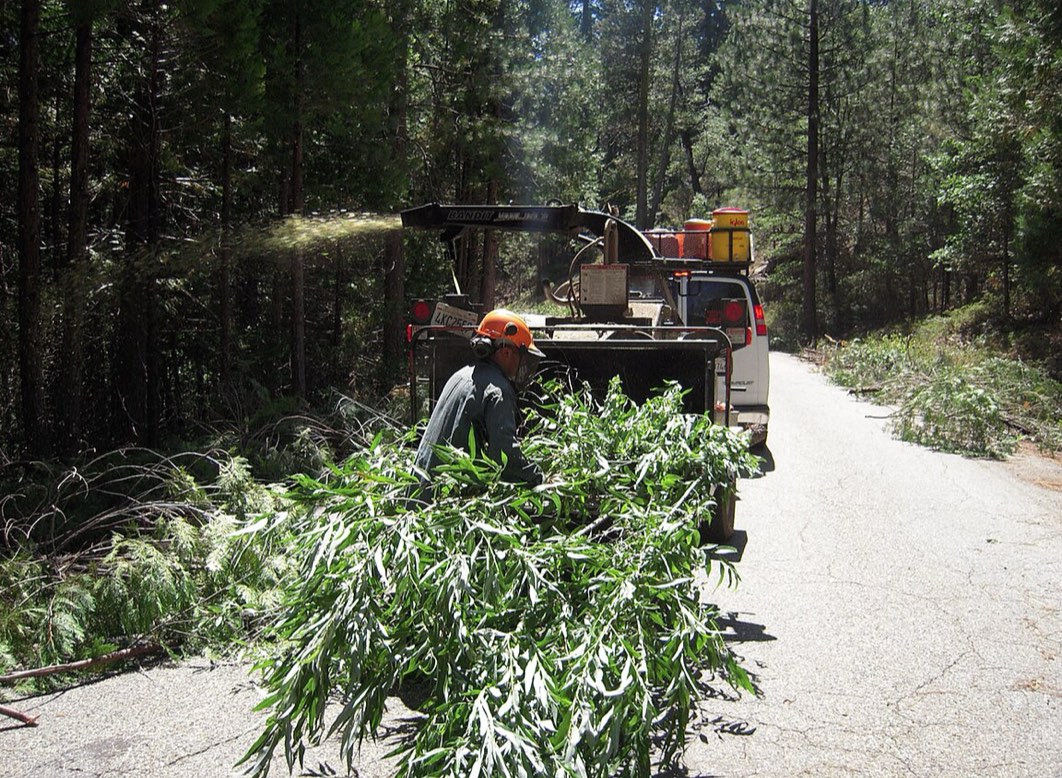
What brush removal & forestry mulching involves
Forestry mulching clears unwanted brush and small trees by grinding them into a layer of mulch right where they stand, cutting, processing, and spreading in one pass. There is no separate cut, pile, and haul, no burning, and no big stretches of bare, torn-up soil left behind.
It is the efficient way to take back an overgrown fence line, open up a wooded area, knock back invasive brush, or stay on top of a property that has started growing in. The mulch left behind is not waste. It slows regrowth, holds moisture, protects the topsoil, and breaks down to feed it.
Plain brush removal, cutting and hauling the material away, still makes sense when you want the area completely clean or the debris cannot stay on site. We do both, and we will recommend the one that fits your goals and your property.
How we do it
Our step-by-step process for brush removal & forestry mulching.
- 1
Assess the growth and terrain
We look at how thick the brush is, how big the material is, and how the ground lies, then decide whether mulching in place or cutting and hauling is the better fit.
- 2
Mulch in a single pass
For most overgrown areas, we grind the brush and small trees into mulch right on site, with no piling, no burning, and no hauling.
- 3
Or cut and haul
Where you want the area completely cleared, we cut the material and haul it off instead of leaving mulch behind.
- 4
Leave a protective mulch layer
When we mulch, we leave an even layer that slows regrowth, holds moisture, and protects the topsoil from erosion.
- 5
Final cleanup
We tidy up the edges and the access points so the finished area is clean and ready to use.
Why it’s worth doing right
Questions about brush removal & forestry mulching
What's the difference between brush clearing and forestry mulching?
Brush clearing removes the vegetation and debris and often hauls it away. Forestry mulching uses special equipment to grind brush and small trees into mulch right on site, which helps stop erosion and feeds the soil. Mulching is usually faster and leaves the property cleaner.
How big a tree can forestry mulching handle?
Mulching is great for brush and small to mid-size trees. Bigger, mature trees are usually handled as part of land clearing instead. We will look at what you have got and tell you the best way to go.
Will the brush just grow back?
The mulch layer slows the regrowth, and for stubborn or invasive brush a follow-up pass or a maintenance schedule keeps it in check. We can work out a maintenance plan if the area tends to come back fast.
Ready to get started?
Contact us for a free estimate on your brush removal & forestry mulching project.